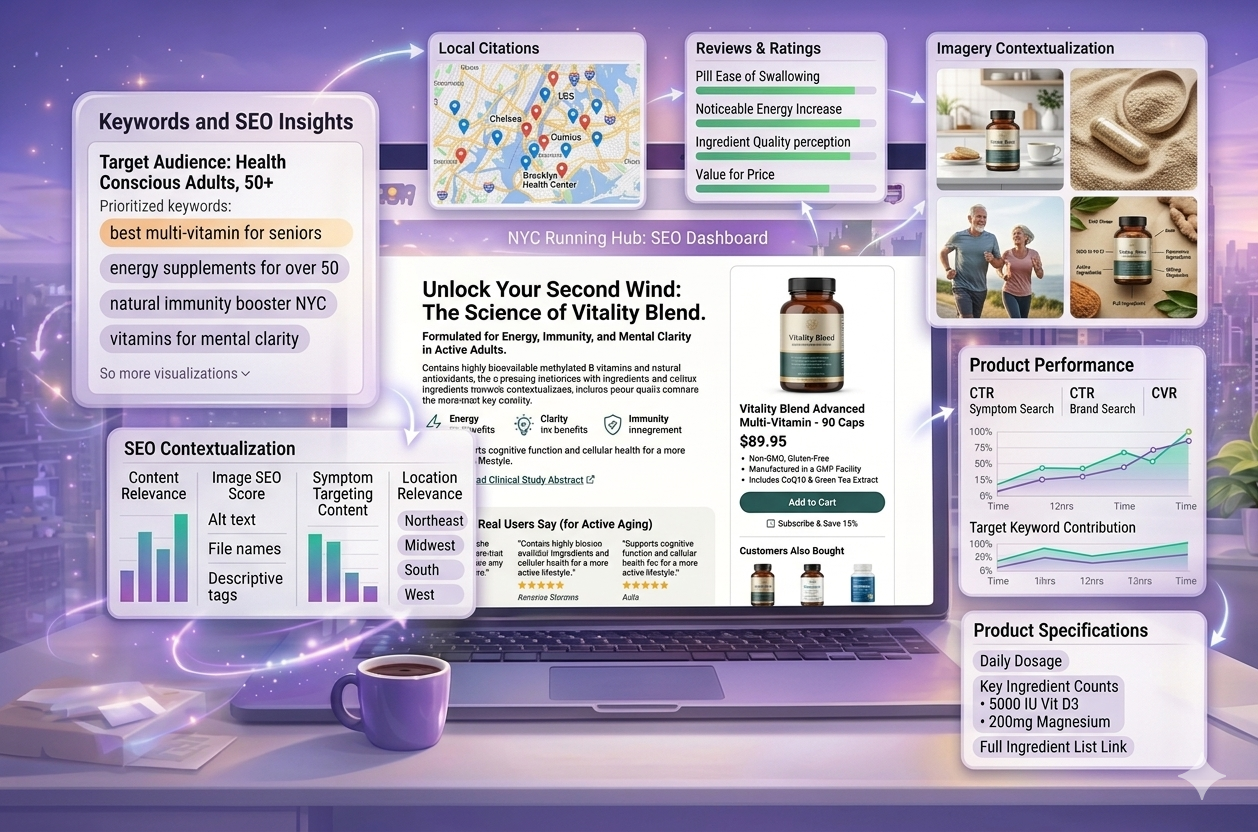



Complete Guide to Higher Search Engine Rankings
In the fiercely competitive world of ecommerce, standing out from the crowd is essential for success. As an ecommerce brand using WooCommerce, you understand the importance of maximizing your online visibility to drive sales and revenue. Achieving higher search engine rankings is a critical aspect of this endeavor, and it can significantly impact your brand’s growth and profitability.
ECommerce SEO
Achieving top rankings in search engine results is a complex and multifaceted process. By optimizing your ecommerce website for search engines, you can enhance your online visibility and attract more potential customers. With WooCommerce, implementing effective ecommerce SEO strategies can help you outperform your competitors and capture a larger share of the market.
– Implementing technical SEO best practices to ensure your website is search engine friendly
– Optimizing product pages and category pages with relevant keywords and compelling content
– Enhancing site speed, mobile-friendliness, and user experience to improve search rankings
– Building high-quality backlinks to boost domain authority and increase search visibility
SEO Audit
Conducting a comprehensive SEO audit of your WooCommerce website is crucial to identify areas for improvement and develop a strategic SEO plan. This process involves evaluating various elements of your site, including technical aspects, on-page optimization, and off-site factors.
– Analyzing website structure, internal linking, and crawlability for search engines
– Reviewing meta tags, headers, and content quality for keyword relevance and user engagement
– Assessing backlink profile, anchor text diversity, and overall link authority
– Examining site performance, mobile responsiveness, and security to ensure optimal user experience
Keyword Research
Effective keyword research is the cornerstone of successful ecommerce SEO. By realizing the search behavior of your target audience and identifying high-converting keywords, you can tailor your content and optimization efforts to align with their needs and preferences.
– Identifying relevant keywords with high search volume and commercial intent
– Analyzing keyword competitiveness and identifying long-tail keyword opportunities
– Mapping keywords to specific product categories, landing pages, and promotional content
– Leveraging keyword research tools and analytics data to refine and expand your keyword strategy
Local SEO
For ecommerce brands with physical locations or serving specific geographic areas, local SEO can be a game-changer. Optimizing your WooCommerce site for local search can help you connect with nearby customers and drive foot traffic to your stores.
– Claiming and optimizing your Google My Business profile for local visibility
– Incorporating location-based keywords and geo-targeted content into your website
– Encouraging customer reviews and managing local business citations for credibility
– Leveraging local directories and community partnerships to enhance local search presence
Organic Growth
Achieving sustainable organic growth is the ultimate goal of ecommerce SEO. By consistently improving your search engine rankings and expanding your online reach, you can cultivate a loyal customer base and drive continuous revenue growth.
– Monitoring search engine algorithm updates and adapting your SEO strategies accordingly
– Creating high-quality, evergreen content that resonates with your target audience
– Engaging in social media marketing and influencer partnerships to amplify organic reach
– Leveraging data-driven insights and AI-powered tools to optimize your SEO efforts
Contextual Placement
Contextual placement of keywords and content is crucial for signaling relevance to search engines and capturing the interest of potential customers. By strategically integrating keywords and valuable information within the context of your website, you can enhance your search visibility and user engagement.
– Incorporating targeted keywords naturally into product descriptions, blog posts, and landing pages
– Providing comprehensive product information, user guides, and instructional content to add value
– Utilizing schema markup and structured data to enhance the contextual realizing of your content
– Personalizing user experiences based on search intent and behavioral patterns
Content Creation
Compelling and informative content is the cornerstone of successful ecommerce SEO. By creating engaging and relevant content that resonates with your audience, you can establish your brand as an authority in your industry and drive organic traffic to your website.
– Developing a content strategy that aligns with your target audience’s interests and needs
– Producing high-quality blog posts, videos, infographics, and interactive content to engage users
– Incorporating storytelling, testimonials, and user-generated content to build trust and credibility
– Optimizing multimedia content for search engines and enhancing discoverability
Citations
Local business citations and online mentions play a crucial role in local SEO and brand visibility. By ensuring consistent and accurate citations across various online platforms, you can strengthen your brand’s presence in local search results and build trust with potential customers.
– Listing your business on authoritative local directories, review sites, and industry-specific platforms
– Verifying and updating business information, including P (name, address, phone number) details
– Monitoring and managing online reviews, responding to customer feedback, and addressing concerns
– Leveraging citation management tools to streamline the process of citation acquisition and maintenance
Brand Reputation
Building and maintaining a positive brand reputation is essential for ecommerce success. By cultivating a strong brand image and fostering trust among your target audience, you can influence purchasing decisions and drive customer loyalty.
– Monitoring online brand mentions, customer reviews, and social media conversations
– Responding to customer inquiries, feedback, and resolving issues promptly and transparently
– Showcasing customer testimonials, case studies, and success stories to reinforce brand credibility
– Leveraging public relations, influencer marketing, and community engagement to enhance brand reputation
The bottomline
Elevating your ecommerce brand’s search engine rankings with WooCommerce is a multifaceted and dynamic endeavor. By implementing robust SEO strategies, leveraging local search opportunities, and prioritizing organic growth, you can position your brand for sustained success and revenue growth in the competitive ecommerce landscape.