


Complete Guide to Higher Search Engine Rankings
In the fiercely competitive world of ecommerce, achieving higher search engine rankings is essential for driving organic traffic and increasing revenue. As an ecommerce brand leveraging Shopify, mastering the intricacies of search engine optimization (SEO) is paramount to unlocking your brand’s full potential. With the right strategies and tools, you can elevate your online presence, attract more qualified leads, and ultimately boost your bottom line. This comprehensive guide is designed to equip ecommerce brands using Shopify with the knowledge and insights needed to harness the power of SEO and achieve higher search engine rankings.
ECommerce SEO
Mastering eCommerce SEO is a fundamental pillar of achieving higher search engine rankings. By optimizing your Shopify store for search engines, you can enhance visibility, drive targeted traffic, and ultimately increase conversions. Key aspects of eCommerce SEO include:
– Optimizing product descriptions, meta tags, and images to improve search visibility
– Implementing structured data to enhance the appearance of product listings in search results
– Ensuring mobile responsiveness and fast page loading speeds for a seamless user experience
– Leveraging rich snippets and schema markup to provide search engines with detailed product information
SEO Audit
Conducting a comprehensive SEO audit of your Shopify store is crucial for identifying areas of improvement and maximizing your search engine rankings. An effective SEO audit involves:
– Evaluating website structure, internal linking, and navigation for optimal crawlability and indexability
– Assessing on-page elements, such as title tags, meta descriptions, and header tags, to ensure relevance and keyword targeting
– Analyzing site speed, mobile-friendliness, and overall user experience to meet search engine standards
– Reviewing backlink profile, content quality, and technical SEO factors for a holistic assessment of your store’s SEO health
Keyword Research
Keyword research forms the foundation of a successful SEO strategy for ecommerce brands using Shopify. By identifying and targeting the right keywords, you can align your content with user intent and capture valuable organic traffic. Effective keyword research involves:
– Identifying high-value, relevant keywords with commercial intent for product pages
– Understanding long-tail keywords and utilizing them to capture niche audiences and specific search queries
– Analyzing keyword competition, search volume, and trends to prioritize the most lucrative opportunities
– Incorporating targeted keywords naturally and strategically throughout your website content
Local SEO
For ecommerce brands with physical locations or serving specific geographic markets, local SEO is a powerful tool for driving targeted traffic and increasing visibility within local search results. Key components of local SEO for Shopify stores include:
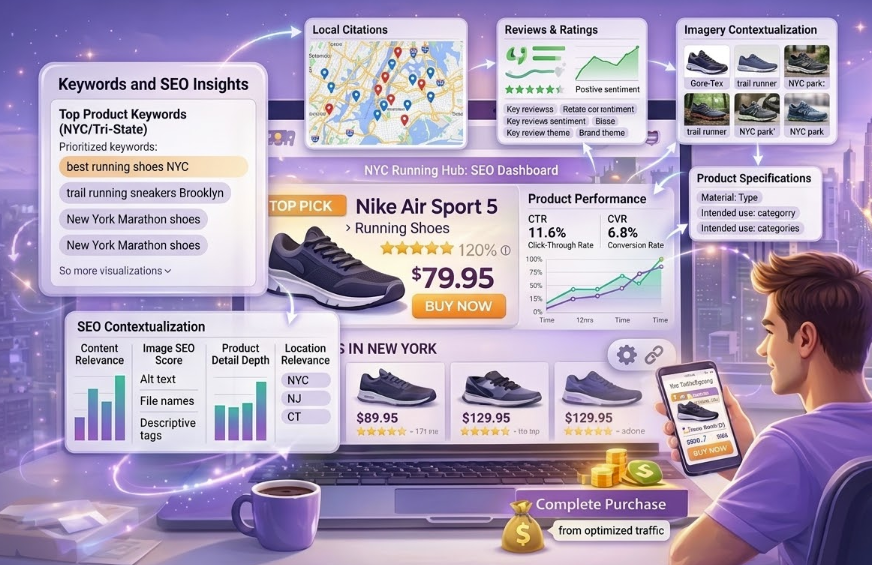
– Creating and optimizing Google My Business listings with accurate business information and customer reviews
– Implementing location-specific keywords and content to target local search queries
– Leveraging local business schema markup to enhance your store’s presence in local search results
– Cultivating local citations and backlinks from authoritative local directories and websites
Organic Growth
Achieving sustainable organic growth through SEO is a long-term investment that can yield substantial returns for ecommerce brands using Shopify. By focusing on organic growth, you can:
– Build a strong foundation of high-quality, relevant content that resonates with your target audience
– Cultivate natural backlinks and social signals through compelling, shareable content and valuable resources
– Establish your brand as an authoritative voice within your niche, earning trust and credibility from both users and search engines
– Adapt to algorithm changes and industry trends to maintain and enhance your search engine rankings over time
Contextual Placement
Contextual placement of keywords and content within your Shopify store is essential for signaling relevance to search engines and providing value to your audience. When implementing contextual placement:
– Integrate targeted keywords naturally within your product descriptions, category pages, and blog content
– Create in-depth, comprehensive content that addresses user queries and provides valuable insights
– Leverage internal linking to connect related content and guide users through your site hierarchy
– Focus on user experience and engagement to ensure that your content meets the needs and expectations of your audience
Content Creation
Compelling and relevant content lies at the heart of a successful SEO strategy for ecommerce brands using Shopify. By prioritizing content creation, you can:
– Develop informative, engaging product descriptions that highlight unique selling points and address customer concerns
– Produce authoritative blog posts, guides, and resources that demonstrate expertise, answer user questions, and attract backlinks
– Utilize visual content, such as images, infographics, and videos, to enhance user experience and convey information effectively
– Regularly update and refresh existing content to maintain relevance and demonstrate ongoing expertise
Citations
Citations play a crucial role in local SEO and establishing your brand’s credibility and authority within your industry. When building citations for your Shopify store:
– Ensure consistency and accuracy of business information across all online directories, listings, and platforms
– Target industry-specific and authoritative citation sources to reinforce your brand’s relevance and expertise
– Encourage customer reviews and testimonials on relevant platforms to enhance your brand’s reputation and visibility
– Monitor and manage citations to address any inaccuracies or outdated information
Brand Reputation
A positive brand reputation not only fosters trust and confidence among your audience but also contributes to higher search engine rankings. To enhance your brand reputation:
– Deliver exceptional customer experiences and prioritize customer satisfaction to generate positive reviews and referrals
– Engage with your audience on social media, industry forums, and review platforms to build relationships and demonstrate transparency
– Monitor and manage online mentions of your brand to address any negative feedback or misconceptions promptly
– Showcase social proof, awards, and accolades to reinforce your brand’s authority and credibility
Final notions
Achieving higher search engine rankings for your ecommerce brand using Shopify is a multifaceted endeavor that requires a strategic blend of technical expertise, content mastery, and audience engagement. By leveraging the power of eCommerce SEO, local SEO, and organic growth, you can elevate your brand’s online visibility, attract qualified traffic, and drive sustainable revenue growth. Embracing the principles outlined in this guide will empower you to navigate the dynamic landscape of search engine optimization and position your Shopify store for long-term success.