


Complete Guide to Google SEO Ecommerce
In the ever-competitive landscape of ecommerce, achieving top rankings on Google is crucial for success. With WooCommerce as your platform, leveraging Google SEO for ecommerce can unlock a world of opportunities. From optimizing product pages to enhancing user experience, mastering Google SEO with WooCommerce can significantly boost your online store’s visibility, traffic, and revenue potential. This comprehensive guide will delve into the intricacies of ecommerce SEO, providing valuable insights into conducting SEO audits, keyword research, local SEO, organic growth, contextual placement, content creation, citations, and brand reputation management. By implementing these strategies, ecommerce brands utilizing WooCommerce can maximize their online presence and attract a steady stream of qualified leads.
ECommerce SEO
– Implementing structured data markup to enhance rich snippets and improve click-through rates
– Optimizing product descriptions and metadata for relevant keywords
– Enhancing site speed and mobile responsiveness for a seamless user experience
– Leveraging user-generated content to foster trust and credibility
– Utilizing schema markup to highlight product features, prices, and availability
– Incorporating product reviews and ratings to boost social proof and engagement
SEO Audit
– Conducting a comprehensive website audit to identify technical issues and performance bottlenecks
– Analyzing site architecture, internal linking, and crawlability for improved indexation
– Assessing the effectiveness of existing SEO strategies and identifying areas for improvement
– Evaluating website security, structured data implementation, and mobile-friendliness for enhanced user experience
– Monitoring website analytics and performance metrics to track SEO progress and identify new opportunities
Keyword Research
– Identifying high-intent, low-competition keywords to target for product pages and category listings
– Analyzing long-tail keywords to capture specific user queries and niche market segments
– Utilizing keyword research tools and analytics to uncover valuable insights and trends
– Incorporating semantic keywords and related terms to broaden the reach of content and product offerings
– Developing a comprehensive keyword strategy to align with user intent and search behavior
Local SEO
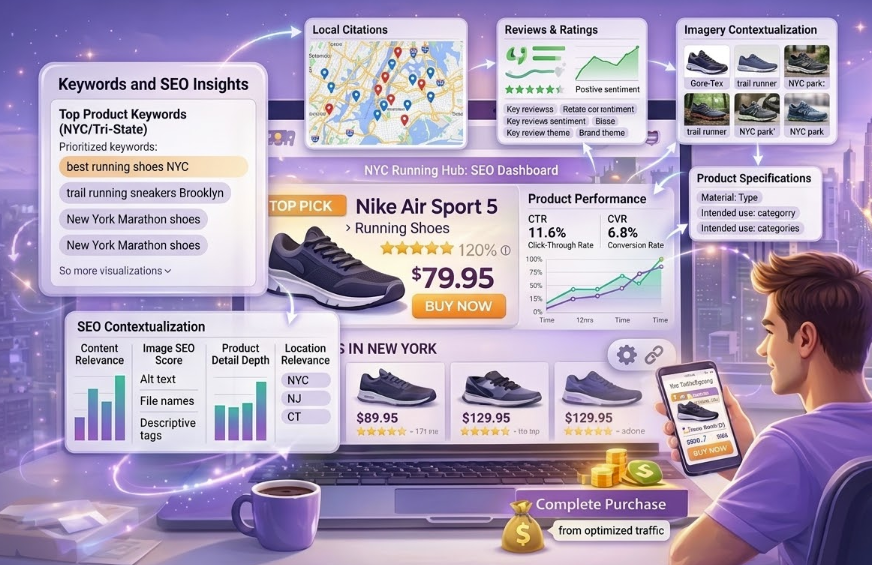
– Optimizing Google My Business listings with accurate business information, images, and customer reviews
– Leveraging local citations and directories to establish a strong local presence and authority
– Implementing location-based keywords and geo-targeted content to attract regional customers
– Utilizing local link building and outreach strategies to strengthen community connections and visibility
– Monitoring and responding to local reviews and feedback to maintain a positive brand reputation
Organic Growth
– Creating high-quality, informative content that addresses customer pain points and provides solutions
– Leveraging social media platforms and influencer partnerships to expand brand reach and engagement
– Implementing email marketing campaigns to nurture leads and encourage repeat purchases
– Optimizing product listings and category pages for organic search visibility and conversion optimization
– Monitoring and adapting to algorithm updates and industry trends to maintain sustainable organic growth
Contextual Placement
– Leveraging strategic internal linking to guide users through the conversion funnel and improve site navigation
– Incorporating relevant anchor text and contextual links to enhance user experience and SEO value
– Partnering with authoritative external websites for guest posting and backlink opportunities
– Implementing content syndication and repurposing to expand brand reach and visibility
– Aligning contextual placement strategies with user intent and search engine guidelines
Content Creation
– Developing engaging and shareable content that aligns with customer interests and search intent
– Implementing multimedia elements such as images, videos, and infographics to enhance content appeal
– Incorporating storytelling and brand narratives to create emotional connections with audiences
– Optimizing content for featured snippets and voice search to capture emerging search trends
– Leveraging user-generated content and interactive experiences to boost engagement and loyalty
Citations
– Establishing consistent P (Name, Address, Phone Number) information across all online platforms and directories
– Building local citations on authoritative platforms to improve local search visibility and trustworthiness
– Monitoring and managing online reviews and citations to maintain a positive brand reputation
– Utilizing citation management tools to streamline the process of monitoring and updating business information
– Leveraging structured citations and industry-specific directories to reach niche audiences and improve local SEO
Brand Reputation
– Monitoring brand mentions and sentiment across social media, review platforms, and industry forums
– Responding to customer feedback and inquiries in a timely and professional manner
– Implementing proactive reputation management strategies to mitigate negative publicity and address customer concerns
– Leveraging customer testimonials and success stories to showcase brand credibility and reliability
– Establishing a consistent brand voice and identity across all marketing channels and touchpoints
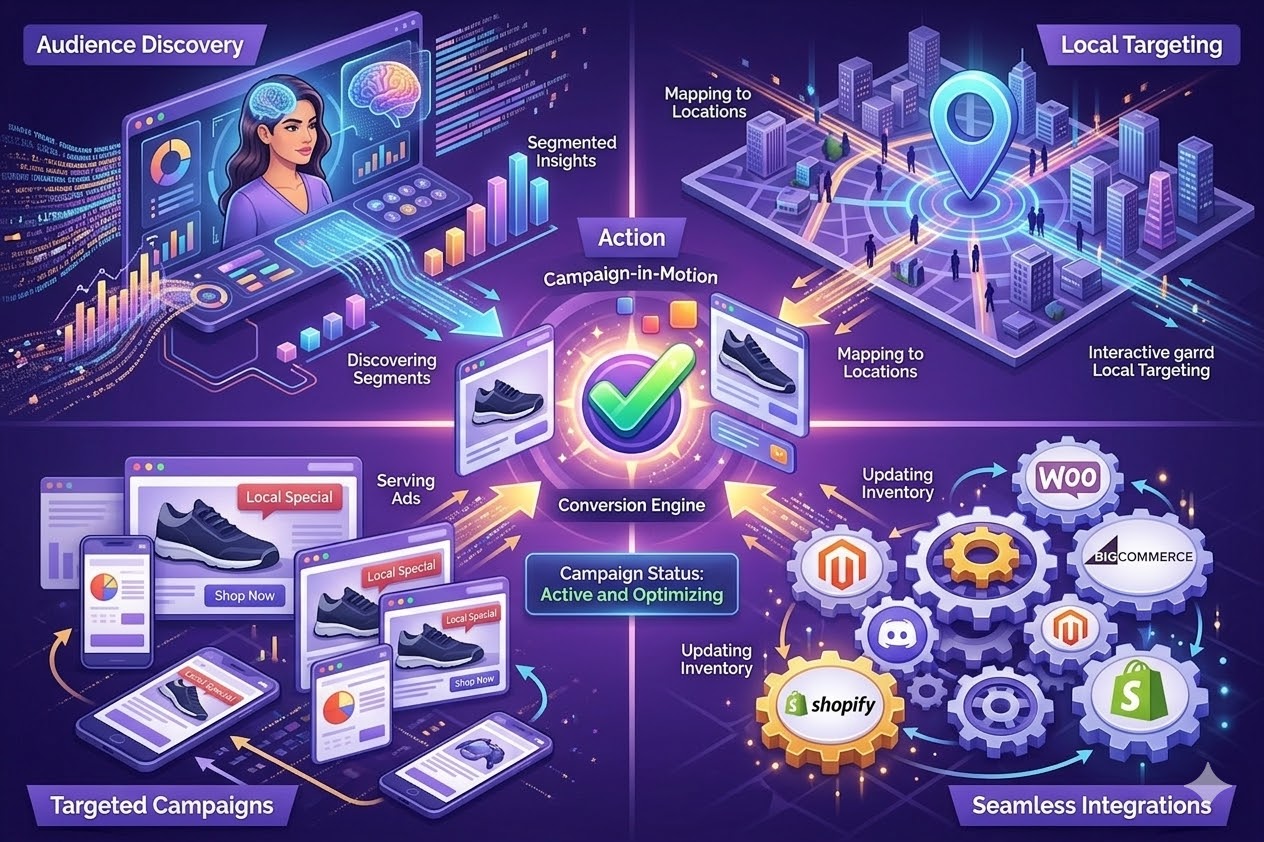
By embracing the power of Google SEO for ecommerce with WooCommerce, brands can unlock a world of potential and drive sustainable growth. The strategies outlined in this guide provide a solid foundation for maximizing online visibility, attracting qualified traffic, and ultimately driving more conversions. As ecommerce brands continue to navigate the digital landscape, leveraging AI-powered SEO, localized targeting, audience insights, and seamless integrations will be essential for staying ahead of the curve and achieving sustainable growth.