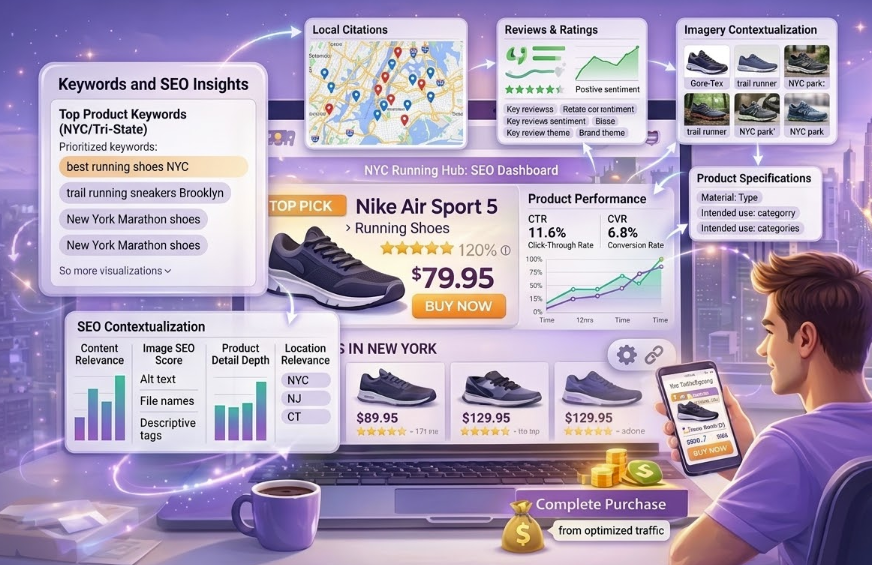



Complete Guide to Financial Services SEO
Ecommerce brands operating within the financial services industry are constantly seeking new ways to enhance their online visibility and drive revenue through organic growth. With the ever-increasing competition in the digital marketplace, it’s crucial for these brands to capitalize on effective SEO strategies that can elevate their presence and attract qualified traffic. In this comprehensive guide, we will explore the intricacies of Financial Services SEO as it pertains to WooCommerce, focusing on essential elements such as eCommerce SEO, SEO Audit, Keyword Research, Local SEO, Organic Growth, Contextual Placement, Content Creation, Citations, and Brand Reputation. By appreciating and implementing these strategies, ecommerce brands can optimize their presence, appeal to their target audience, and ultimately drive more conversions, positioning themselves for sustained success in the digital landscape.
ECommerce SEO
– Maximizing Visibility: Implementing tailored SEO strategies to enhance online visibility, attract qualified traffic, and drive conversions within the financial services niche.
– AI-Powered Solutions: Leveraging advanced AI-powered tools to gain insights into consumer behavior, trends, and preferences, allowing for targeted and effective SEO campaigns.
– WooCommerce Integration: Seamless integration with WooCommerce to optimize product listings, enhance user experience, and drive organic growth within the ecommerce platform.
SEO Audit
– Thorough Analysis: Conducting a comprehensive SEO audit to identify strengths, weaknesses, and opportunities for improvement within the ecommerce website.
– Technical Optimization: Addressing technical aspects such as site speed, mobile responsiveness, and crawlability to ensure optimal performance in search engine rankings.
– Performance Tracking: Monitoring and analyzing key performance indicators to measure the effectiveness of SEO efforts and make data-driven adjustments.
Keyword Research
– Strategic Insights: Conducting in-depth keyword research to identify high-value terms and phrases relevant to the financial services industry, enabling targeted content creation and optimization.
– Long-Tail Opportunities: Identifying long-tail keywords with lower competition and higher conversion potential to drive qualified traffic and improve overall SEO performance.
– Intent-Based Optimization: Aligning keyword strategy with user intent, ensuring that content effectively addresses the needs and interests of the target audience.
Local SEO
– Geo-Targeted Approach: Utilizing local SEO strategies to reach potential customers within specific geographic areas, catering to the unique needs of local clientele in the financial services sector.
– Google My Business Optimization: Optimizing Google My Business listings to enhance visibility in local search results, driving foot traffic and online conversions for ecommerce brands.
– Niche-Specific Directories: Leveraging industry-specific directories and local citations to establish authority and credibility within the financial services market.
Organic Growth
– Sustainable Strategies: Implementing organic growth initiatives to build a strong, enduring online presence for ecommerce brands in the financial services realm.
– User-Centric Approach: Creating valuable, user-centric content that resonates with the target audience, fostering engagement and loyalty within the digital community.
– Ethical Link Building: Engaging in ethical link building practices to earn high-quality backlinks and improve domain authority, further solidifying the brand’s position in search engine rankings.
Contextual Placement
– Relevance and Authority: Placing content strategically within relevant contexts to maximize visibility, authority, and engagement, particularly within the financial services sector.
– Industry Alignment: Aligning content with industry-specific topics, trends, and regulations to cater to the unique needs of the financial services audience, establishing the brand as a trusted source of information.
– AI-Driven Insights: Leveraging AI-driven insights to identify optimal contextual placement opportunities that resonate with the target audience and drive meaningful interactions.
Content Creation
– Compelling Narratives: Crafting compelling, data-driven narratives that address the informational needs and pain points of the target audience within the financial services industry.
– Multimedia Integration: Incorporating diverse media formats such as videos, infographics, and interactive content to enhance engagement and convey complex financial concepts effectively.
– SEO-Optimized Copy: Writing SEO-optimized copy that balances keyword integration with natural language, ensuring readability and search engine visibility.
Citations
– Trust and Authority: Building trust and authority through strategic citations in reputable sources within the financial services landscape, enhancing the brand’s credibility and visibility.
– Consistency and Accuracy: Maintaining consistent and accurate business information across online directories and platforms, reinforcing the brand’s legitimacy and relevance in local and industry-specific contexts.
– Review Management: Monitoring and managing customer reviews, leveraging positive feedback to bolster the brand’s reputation and address any negative sentiments proactively.
Brand Reputation
– Reputation Management: Implementing proactive strategies to manage and enhance the brand’s reputation within the digital sphere, emphasizing trust, transparency, and credibility.
– Social Proof Integration: Showcasing social proof through testimonials, case studies, and client success stories to build confidence and authority within the financial services community.
– Crisis Response: Developing a robust crisis response plan to address any reputational challenges effectively, safeguarding the brand’s integrity and mitigating potential impact.
Leveraging WooCommerce for Financial Services SEO empowers ecommerce brands to foster organic growth, establish authority, and drive revenue through targeted, relevant, and data-driven strategies. By embracing these core elements of SEO and integrating AI-powered insights, ecommerce brands can position themselves for sustainable success in the competitive digital landscape, attracting and retaining a loyal customer base while maximizing revenue opportunities.