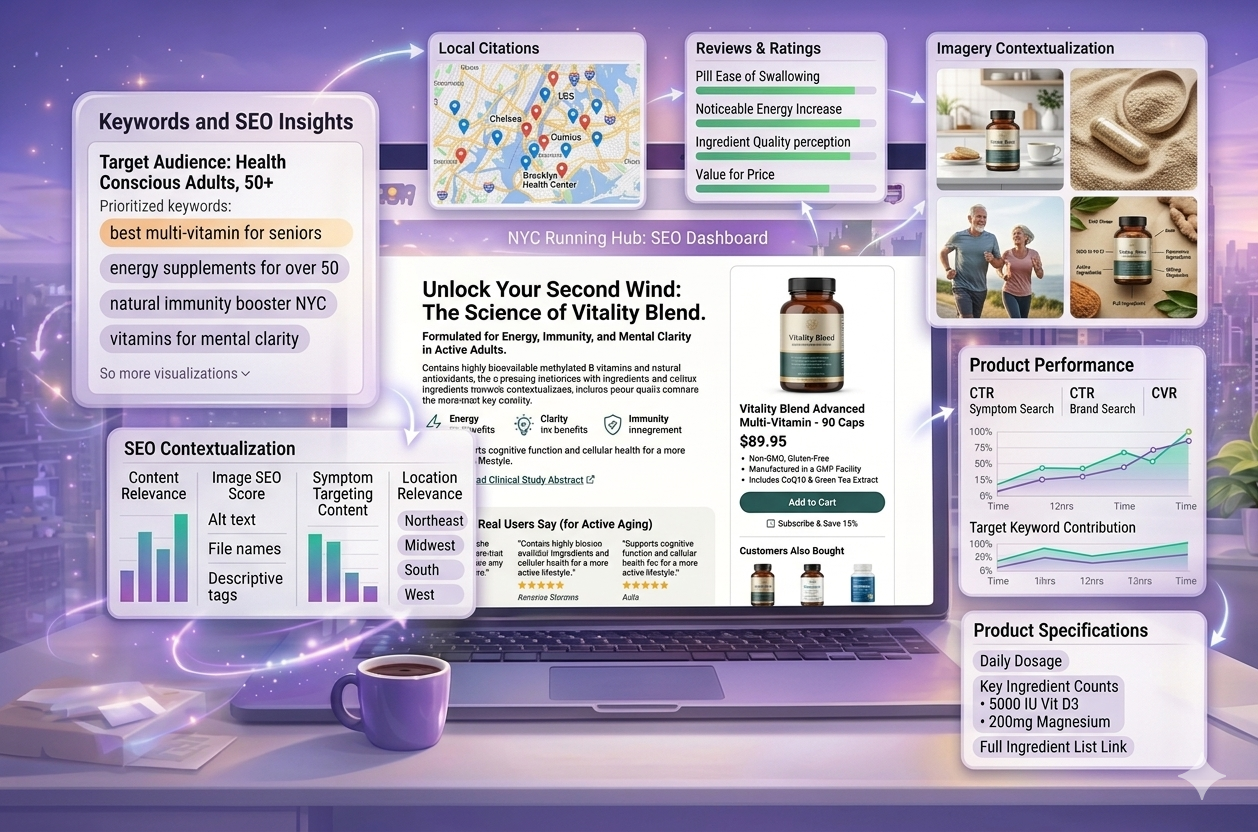



Complete Guide to Facts About SEO
Ecommerce brands must leverage advanced strategies to enhance their online visibility and drive revenue growth. As an ecommerce brand owner, you understand the importance of maximizing your digital presence to attract qualified traffic and drive conversions. This article will delve into the crucial aspects of SEO as it relates to WooCommerce, offering valuable insights to help you optimize your online store and drive organic growth.
ECommerce SEO
Enhancing the online visibility of your ecommerce store is crucial for attracting potential customers and driving sales. Implementing effective SEO strategies tailored to ecommerce platforms like WooCommerce is essential for achieving sustainable growth and optimizing revenue channels.
– Implementing technical SEO best practices for ecommerce websites
– Optimizing product pages and category structures for improved search visibility
– Leveraging structured data and rich snippets to enhance search engine results
– Maximizing internal linking strategies for improved navigation and user experience
SEO Audit
Conducting a comprehensive SEO audit is a fundamental step in identifying areas for improvement and optimizing your ecommerce website’s performance. This process involves evaluating various aspects of your site, including technical, content, and off-page factors, to uncover potential opportunities for enhancement.
– Assessing site speed, mobile-friendliness, and crawlability for optimal performance
– Identifying and addressing technical issues that may hinder search engine visibility
– Analyzing backlink profiles and off-page SEO factors to enhance domain authority
– Evaluating content quality and relevance to align with target audience intent and search queries
Keyword Research
Effective keyword research is essential for realizing your target audience’s search behavior and identifying relevant terms and phrases to incorporate into your content and optimization strategies. By conducting in-depth keyword research, you can gain valuable insights into high-converting search queries and optimize your content to align with user intent.
– Identifying long-tail keywords and niche-specific terms to target specialized audiences
– Analyzing search volume, competition, and user intent to prioritize keyword targeting
– Incorporating transactional, informational, and navigational keywords for comprehensive coverage
– Leveraging keyword mapping and clustering techniques to align content with strategic keyword groups
Local SEO
For ecommerce brands with physical locations or targeted geographic markets, local SEO plays a critical role in enhancing visibility within specific regions and driving foot traffic to brick-and-mortar stores. Implementing local SEO strategies tailored to WooCommerce can help you capitalize on local search opportunities and connect with nearby customers.
– Optimizing Google My Business profiles to enhance local search visibility and customer engagement
– Implementing location-based keyword targeting and geo-modified content to capture local intent
– Leveraging local business citations and directory listings for consistent P (Name, Address, Phone) data
– Encouraging customer reviews and testimonials to build local trust and credibility
Organic Growth
Achieving sustainable organic growth is a key objective for ecommerce brands looking to expand their online presence and drive revenue through non-paid channels. By implementing strategic SEO initiatives and focusing on organic search visibility, you can establish a solid foundation for long-term success and continuous revenue generation.
– Developing content-driven SEO strategies to attract organic traffic and engage potential customers
– Leveraging evergreen content and strategic amplification to drive continuous traffic and user engagement
– Implementing link-building initiatives to enhance domain authority and credibility within your niche
– Monitoring and analyzing organic performance metrics to identify growth opportunities and optimize strategies
Contextual Placement
Contextual placement of keywords and content within your ecommerce store is crucial for aligning with search engine algorithms and user intent. By strategically placing relevant content and optimized elements throughout your site, you can enhance your visibility and connect with potential customers at various touchpoints.
– Optimizing product descriptions, meta tags, and image alt text for targeted keyword placement
– Incorporating contextual content within category pages and product listings to enhance relevancy
– Implementing internal linking strategies to guide users towards related products and informational resources
– Integrating structured data markup to provide search engines with contextual information about your products and offerings
Content Creation
Creating valuable and engaging content is a cornerstone of effective SEO for ecommerce brands. By developing high-quality, relevant, and informative content, you can establish authority within your niche, attract organic traffic, and drive customer engagement and conversions.
– Crafting compelling product descriptions, blog posts, and informational resources to address customer needs
– Aligning content creation with user intent and search queries to provide relevant solutions and information
– Implementing content optimization techniques to enhance readability, keyword relevance, and user experience
– Leveraging multimedia content such as videos, infographics, and interactive elements to enhance engagement and shareability
Citations
Building authoritative citations and references across the web is essential for enhancing your ecommerce brand’s credibility, trustworthiness, and visibility within relevant industry niches. Citations play a crucial role in local SEO, business validation, and establishing your brand as a trusted entity within your market.
– Listing your business in relevant industry directories, local business associations, and niche-specific platforms
– Ensuring consistent P data across all citations and references to build trust and avoid confusion
– Leveraging customer testimonials, reviews, and endorsements as citations to enhance social proof and credibility
– Monitoring and managing citations to address inaccuracies, outdated references, and duplicate listings
Brand Reputation
Your ecommerce brand’s reputation and online presence are critical factors that influence customer trust, loyalty, and purchase decisions. By effectively managing your brand reputation through SEO and digital marketing strategies, you can create a positive perception of your brand and build long-term relationships with your target audience.
– Monitoring and responding to customer reviews, feedback, and inquiries to demonstrate active engagement
– Implementing reputation management strategies to address negative sentiment and mitigate potential issues
– Leveraging social media platforms and online communities to build brand advocacy and positive sentiment
– Incorporating brand mentions, endorsements, and influencer partnerships to enhance brand visibility and credibility
Prioritizing SEO strategies tailored to WooCommerce can significantly impact the online visibility, performance, and revenue potential of your ecommerce brand. By leveraging advanced SEO techniques, conducting thorough audits, and focusing on organic growth, you can position your brand for sustained success and continuous revenue generation in the competitive ecommerce landscape.