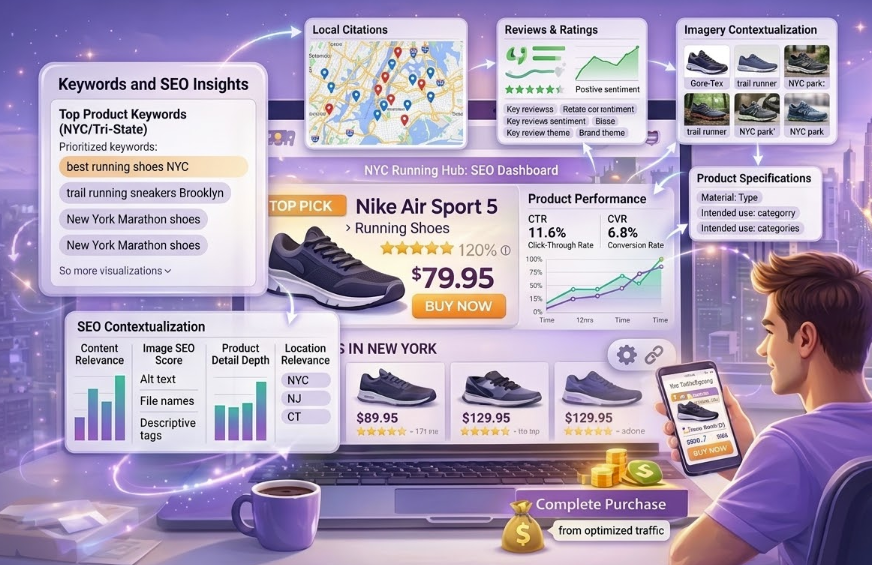



Complete Guide to Ecommerce Website SEO
In the ever-evolving landscape of ecommerce, staying ahead of the competition is crucial for sustained success. As an ecommerce brand owner, you understand the importance of leveraging the power of SEO to drive organic growth and increase revenue. With the right strategies in place, you can enhance your Shopify store’s visibility, attract qualified traffic, and ultimately boost conversions. This comprehensive guide will delve into the intricacies of Ecommerce Website SEO, providing valuable insights and practical tips to help you maximize the potential of your Shopify store.
ECommerce SEO
– Implementing SEO best practices tailored to ecommerce websites
– Optimizing product pages and category descriptions for improved search visibility
– Leveraging structured data to enhance product listings in search results
– Utilizing Shopify’s built-in SEO features to maximize online visibility
SEO Audit
A comprehensive SEO audit is the foundation of any successful SEO strategy. By conducting a thorough audit of your Shopify store, you can identify potential issues and opportunities for improvement. Key areas of focus include:
– Technical SEO analysis to ensure optimal website performance and crawlability
– On-page SEO assessment to evaluate content quality and keyword optimization
– Backlink analysis to gauge the strength of your site’s link profile
– Identifying and addressing any issues that may be hindering your site’s search performance
Keyword Research
Effective keyword research is essential for targeting the right audience and driving relevant traffic to your Shopify store. By realizing the search terms and phrases your potential customers are using, you can tailor your content and optimization efforts to align with their needs and preferences. Key aspects of keyword research include:
– Identifying high-converting keywords relevant to your products and target audience
– Analyzing search intent to ensure alignment with user expectations
– Leveraging long-tail keywords to capture specific and valuable search traffic
– Incorporating keyword variations and synonyms to broaden your reach
Local SEO
For ecommerce brands with physical locations or a specific geographic focus, local SEO is a powerful tool for connecting with nearby customers and driving foot traffic to brick-and-mortar stores. Key considerations for local SEO on Shopify include:
– Optimizing your Google My Business profile for enhanced local visibility
– Implementing location-based keywords and content to target local search queries
– Leveraging structured data markup to provide search engines with localized information
– Encouraging customer reviews and feedback to build trust and credibility within your local community
Organic Growth
Sustainable and consistent growth is the hallmark of a successful ecommerce brand. Organic growth strategies for Shopify encompass a wide range of tactics designed to attract and retain customers over the long term. Key components of organic growth include:
– Developing a content strategy that resonates with your target audience and establishes your brand as an authority in your niche
– Leveraging social media and influencer partnerships to expand your reach and engage with potential customers
– Implementing email marketing campaigns to nurture leads and drive repeat purchases
– Utilizing data-driven insights to continually optimize and refine your growth strategies
Contextual Placement
The strategic placement of content and links within the context of relevant topics and discussions across the web is essential for enhancing your brand’s online visibility. Contextual placement involves:
– Identifying high-authority websites and platforms where your target audience is active
– Creating and distributing content that aligns with the interests and needs of your audience
– Building organic backlinks through guest posting, content partnerships, and thought leadership contributions
– Establishing your brand as an authoritative voice within your industry through targeted and strategic content placement
Content Creation
Compelling and valuable content lies at the heart of successful ecommerce SEO. Whether it’s product descriptions, blog posts, or landing pages, crafting engaging content that resonates with your audience is critical for driving organic traffic and conversions. Key elements of effective content creation include:
– Incorporating relevant keywords and search phrases to enhance visibility and ranking potential
– Focusing on user experience and providing valuable information that meets the needs of your audience
– Optimizing content for readability, mobile-friendliness, and shareability
– Utilizing multimedia elements such as images, videos, and infographics to enhance engagement and convey information effectively
Citations
Citations, or online references to your business’s name, address, and phone number, play a significant role in local SEO and overall brand visibility. For ecommerce brands, citations help establish trust and authority within specific geographic locations. Key considerations for citations include:
– Ensuring consistent and accurate business information across online directories and platforms
– Leveraging industry-specific and local directories to enhance visibility within relevant communities
– Monitoring and managing customer reviews and feedback across citation sources
– Optimizing citations for mobile and voice search to capture local intent and queries
Brand Reputation
A strong and positive brand reputation is a cornerstone of successful ecommerce SEO. Building and maintaining a reputable brand image not only fosters trust among potential customers but also contributes to improved search performance and visibility. Key aspects of brand reputation management include:
– Monitoring and responding to customer reviews and feedback across all channels
– Cultivating a strong social media presence and engaging with your audience in a meaningful way
– Showcasing customer testimonials and success stories to build credibility and trust
– Establishing your brand as an industry leader through thought leadership, expert interviews, and valuable insights
Harnessing the power of ecommerce SEO is essential for driving organic growth and increasing revenue for your Shopify store. By implementing targeted strategies tailored to the unique needs of ecommerce brands, you can elevate your online visibility, attract qualified traffic, and drive meaningful conversions. With the right combination of SEO best practices and a focus on user-centric experiences, your ecommerce brand can thrive in the competitive digital marketplace.