


Complete Guide to Digital Marketing Stats 2026
In the fast-evolving world of ecommerce, staying ahead of the game is crucial to success. As we look ahead to the digital marketing landscape of 2026, it’s evident that advanced strategies and insights will be essential for ecommerce brands to thrive. At the forefront of this evolution is BigCommerce, a powerful platform that empowers online businesses to reach new heights. To help ecommerce brands harness the potential of BigCommerce and maximize their sales, we delve into the digital marketing stats of 2026, illuminating the path to sustained growth and success.
ECommerce SEO
Enhancing your ecommerce website’s visibility and relevance is a cornerstone of driving organic traffic and conversions. In 2026, ecommerce SEO will continue to play a pivotal role in securing a competitive edge in the online marketplace. With BigCommerce’s robust features, brands can optimize their websites for search engines, ensuring they capture the attention of their target audience and drive revenue.
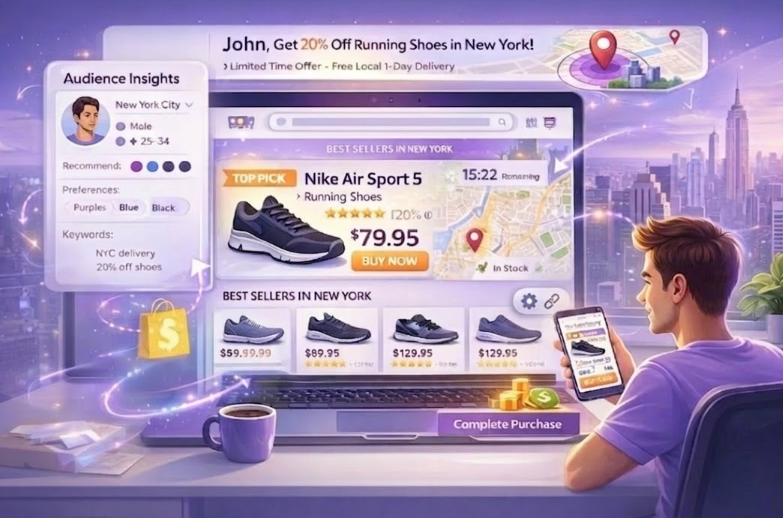
– AI-Powered SEO: Leverage AI-driven tools to execute data-driven SEO strategies that propel your ecommerce brand to the top of search engine results.
– Localized Targeting: Harness the power of localized SEO to reach customers in specific geographic areas, driving foot traffic and online sales.
– Audience Insights: Utilize advanced analytics to gain profound insights into your target audience’s behavior and preferences, tailoring your SEO approach for maximum impact.
SEO Audit
Conducting regular SEO audits is essential for identifying areas of improvement and ensuring your ecommerce website is optimized for search engines. In 2026, the importance of comprehensive SEO audits will be heightened, presenting ecommerce brands with valuable opportunities to refine their digital marketing strategies and drive sustainable growth.
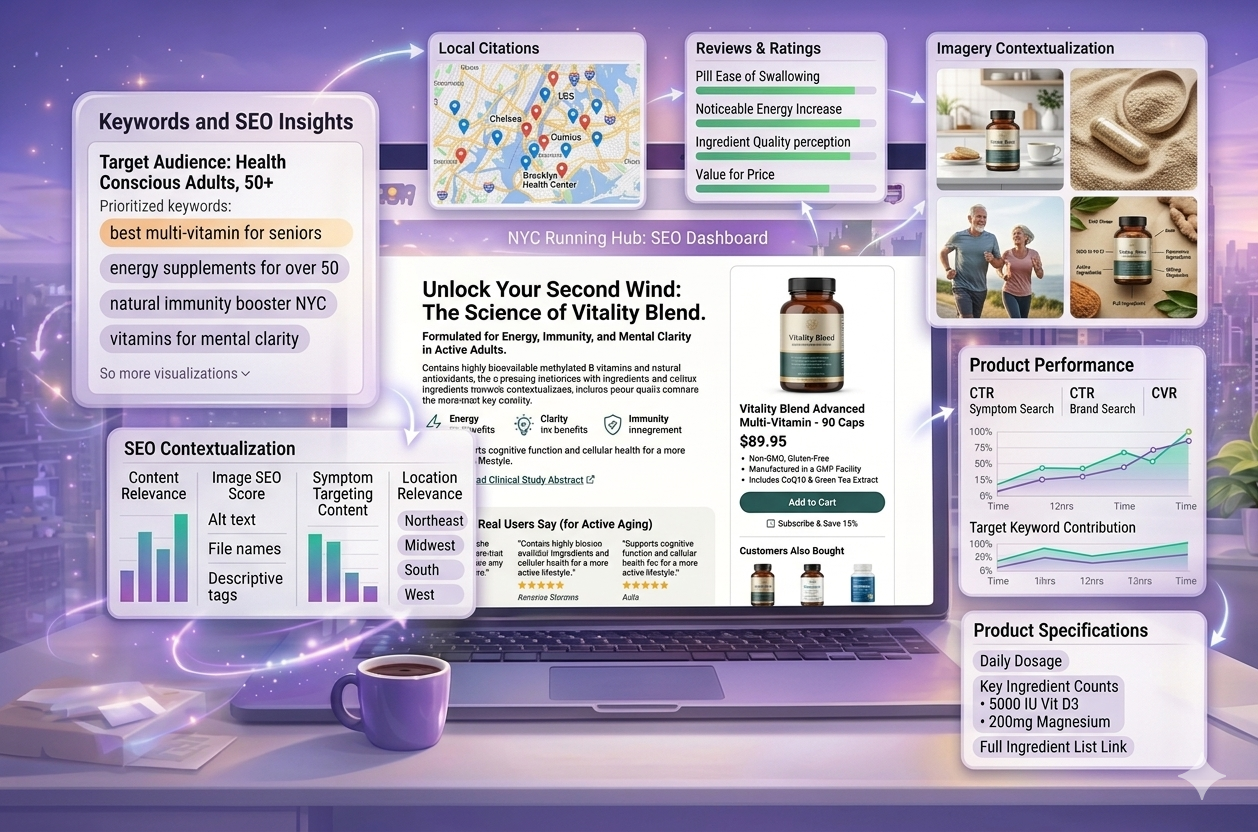
– Technical Analysis: Evaluate the technical aspects of your ecommerce website to ensure it aligns with search engine algorithms and standards, enhancing its visibility and performance.
– Content Assessment: Assess the quality and relevance of your website’s content, identifying opportunities to optimize existing content and develop new, engaging material.
– Performance Metrics: Dive deep into essential performance metrics, such as page load speed and mobile responsiveness, to enhance the overall user experience and search engine ranking.
Keyword Research
Effective keyword research forms the bedrock of successful digital marketing strategies in the ecommerce landscape. By appreciating the intent behind search queries and uncovering high-potential keywords, ecommerce brands can position themselves strategically to capture valuable organic traffic and drive conversions on BigCommerce.
– Long-Tail Keywords: Identify and target long-tail keywords that align with your products or services, catering to specific customer needs and driving highly qualified traffic to your ecommerce website.
– Competitive Analysis: Conduct in-depth competitive keyword analysis to gain insights into your rivals’ strategies, identifying lucrative keyword opportunities and areas for differentiation.
– Semantic Search: Embrace semantic SEO to understand user intent and deliver content that aligns with the context of search queries, enhancing your website’s relevance and visibility.
Local SEO
In the realm of ecommerce, local SEO holds significant potential for brands seeking to connect with customers in specific regions and drive sales. As we look to 2026, the continued evolution of local SEO presents ecommerce brands with powerful avenues to expand their reach and capture valuable market segments.
– Google My Business Optimization: Maximize the visibility of your ecommerce brand in local search results by optimizing your Google My Business profile with relevant information, reviews, and updates.
– Location-Based Content: Develop location-specific content that resonates with local audiences, addressing their unique needs and preferences to drive engagement and conversions.
– Geo-Targeted Campaigns: Leverage advanced targeting capabilities to craft geo-specific marketing campaigns that reach customers in specific locations, driving foot traffic and online sales.
Organic Growth
Achieving sustainable organic growth is a cornerstone of long-term success in ecommerce. In 2026, ecommerce brands can leverage BigCommerce’s innovative features and strategic insights to fuel their organic growth, establishing a strong foundation for continued revenue generation and market expansion.
– User-Generated Content: Cultivate a community of brand advocates and loyal customers who generate authentic, user-generated content, strengthening your brand’s online presence and credibility.
– Social Commerce Integration: Seamlessly integrate social commerce features into your ecommerce platform, empowering customers to discover and purchase products through social media channels, driving organic sales and engagement.
– Conversion Rate Optimization: Implement data-driven strategies to optimize your ecommerce website’s conversion rates, ensuring a seamless and compelling customer journey that translates into consistent revenue growth.
Contextual Placement
In the dynamic landscape of digital marketing, contextual placement emerges as a powerful strategy for ecommerce brands to connect with their target audience in meaningful ways. By strategically positioning content and advertisements within relevant contexts, brands can maximize their impact and drive conversions on BigCommerce.
– Native Advertising: Embrace native advertising to seamlessly integrate promotional content into the natural flow of online experiences, capturing the attention of potential customers without disrupting their browsing journey.
– Contextual Targeting: Utilize advanced targeting capabilities to deliver contextual ads and content that align with the interests, behaviors, and preferences of your target audience, fostering higher engagement and conversion rates.
– Content Syndication: Expand your reach and visibility by syndicating high-quality, contextually relevant content across authoritative platforms and channels, driving organic traffic and brand recognition.
Content Creation
Compelling and valuable content lies at the heart of successful ecommerce marketing strategies. In 2026, the demand for high-quality, engaging content will continue to soar, presenting ecommerce brands with opportunities to captivate their audience, build brand authority, and drive conversions on BigCommerce.
– Interactive Content: Innovate with interactive content formats, such as quizzes, polls, and calculators, to engage your audience and create immersive experiences that drive brand affinity and conversions.
– Visual Storytelling: Harness the power of visual storytelling through captivating imagery, videos, and infographics, effectively conveying your brand’s narrative and value propositions to potential customers.
– Evergreen Content: Develop evergreen content that remains relevant and valuable over time, serving as a cornerstone of your ecommerce brand’s authority and driving sustained organic traffic.
Citations
Establishing a robust online presence through citations is instrumental in bolstering the credibility and visibility of ecommerce brands. By securing citations from authoritative sources and directories, businesses can enhance their digital footprint and attract more qualified traffic to their BigCommerce websites.
– Local Directories: Ensure consistent and accurate citations across local directories and platforms, solidifying your ecommerce brand’s presence within specific geographic regions and driving local customer acquisitions.
– Industry Citations: Secure citations from industry-specific directories and platforms, positioning your ecommerce brand as an authoritative and trustworthy player within your niche, attracting targeted traffic and potential collaborations.
– Review Platforms: Actively engage with review platforms and secure citations through positive customer reviews and testimonials, fostering trust and confidence among potential customers and driving conversions.
Brand Reputation
In the hyperconnected digital landscape, brand reputation holds immense sway over consumer perceptions and purchase decisions. Ecommerce brands must prioritize building and safeguarding their brand reputation, leveraging BigCommerce’s capabilities to cultivate a positive and influential brand image.
– Reputation Management: Implement proactive reputation management strategies, addressing customer feedback and concerns in a timely and empathetic manner, fostering a positive brand image and customer loyalty.
– Influencer Partnerships: Collaborate with influential figures and creators in your industry to bolster your brand’s reputation and reach, leveraging their authority and reach to connect with new audiences and drive conversions.
– Crisis Response Planning: Develop robust crisis response plans to mitigate potential reputational risks, ensuring your ecommerce brand can navigate challenging situations while safeguarding its integrity and credibility.
Conclusion:
As ecommerce brands navigate the dynamic landscape of digital marketing in 2026, the strategic utilization of BigCommerce’s innovative capabilities and insights is pivotal for driving sustained growth, increasing revenue, and expanding market reach. By embracing cutting-edge strategies, such as AI-powered SEO, localized targeting, and contextual placement, ecommerce brands can position themselves at the forefront of their industries, capturing the attention of their target audience and driving meaningful conversions. With a proactive approach to organic growth, content creation, and brand reputation management, ecommerce brands can unlock new avenues for revenue generation and long-term success on the BigCommerce platform.