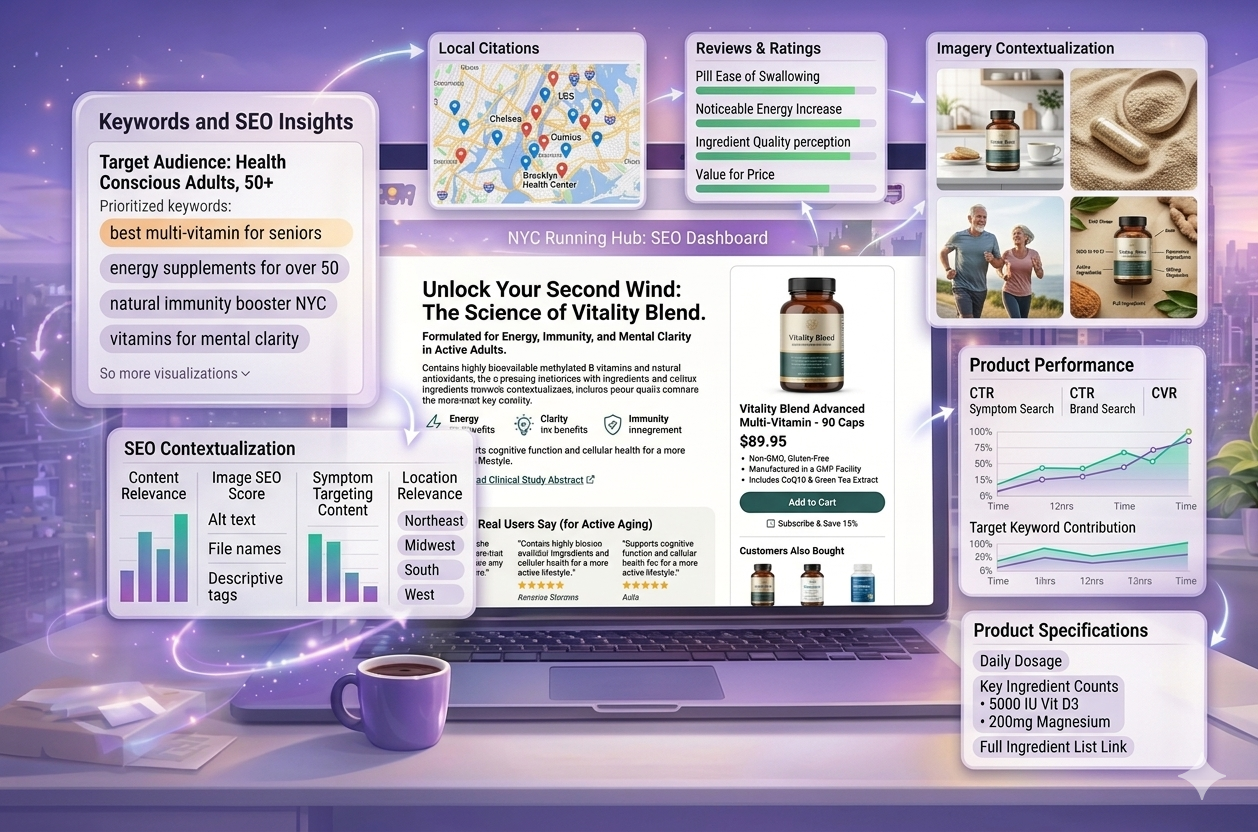



Complete Guide to Content Mapping Template
Achieving success requires a strategic approach to digital marketing. For ecommerce brands leveraging WooCommerce, maximizing revenue potential involves harnessing the power of content mapping. This comprehensive guide explores the intricacies of content mapping template as it relates to WooCommerce, shedding light on the pivotal role it plays in driving organic growth, enhancing brand reputation, and optimizing SEO for sustainable success.
Ecommerce SEO
Enhancing Online Visibility
– Leveraging content mapping to optimize product pages, category pages, and blog posts for improved search engine visibility.
– Implementing structured data to enhance rich snippets and improve click-through rates.
– Utilizing WooCommerce plugins to streamline SEO efforts and boost organic traffic.
SEO Audit
Uncovering Optimization Opportunities
– Conducting a comprehensive audit of the ecommerce website to identify technical SEO issues and content gaps.
– Analyzing site architecture, page load speed, and mobile responsiveness to enhance overall user experience.
– Ensuring proper indexing and crawlability for all website content to maximize search engine visibility.
Keyword Research
Targeting Profitable Search Terms
– Utilizing advanced keyword research tools to identify high-converting keywords with strong commercial intent.
– Mapping keywords to relevant product categories and optimizing product descriptions to align with search queries.
– Incorporating long-tail keywords and semantic variations to capture niche audience segments and drive targeted traffic.
Local SEO
Amplifying Local Presence
– Leveraging content mapping to optimize location-specific landing pages and enhance local search visibility.
– Claiming and optimizing Google My Business listings to establish a strong local search presence.
– Encouraging customer reviews and testimonials to build trust and credibility within local communities.
Organic Growth
Sustaining Long-Term Success
– Developing a content calendar aligned with seasonal trends, industry events, and user intent to drive continuous organic growth.
– Implementing user-generated content strategies to foster community engagement and build brand advocacy.
– Leveraging content mapping to create comprehensive resource hubs and authoritative guides to attract and retain organic traffic.
Contextual Placement
Crafting Relevant Content
– Strategically placing targeted keywords within content to align with user search intent and improve relevance.
– Utilizing contextual internal linking strategies to guide users to relevant product pages and enhance site navigation.
– Implementing content mapping to align blog topics with product offerings and enhance cross-promotional opportunities.
Content Creation
Crafting Compelling Narratives
– Utilizing content mapping to develop a cohesive content strategy aligned with brand messaging and customer personas.
– Creating visually engaging and informative content formats, such as infographics, videos, and interactive product showcases.
– Implementing user-generated content and influencer collaborations to diversify content and leverage social proof.
Citations
Establishing Digital References
– Building a robust backlink profile through strategic content outreach and digital PR initiatives.
– Ensuring consistent P (Name, Address, Phone) information across online directories and local citations.
– Leveraging content mapping to craft compelling guest posts and thought leadership articles for authoritative backlink acquisition.
Brand Reputation
Cultivating Trust and Authority
– Implementing reputation management strategies to monitor and respond to customer feedback and reviews.
– Leveraging content mapping to create brand stories and narratives that resonate with target audiences.
– Utilizing content mapping to craft crisis communication plans and mitigate potential reputation risks proactively.
In today’s competitive ecommerce landscape, standing out and driving sustainable revenue growth requires a strategic approach to digital marketing. By harnessing the potential of content mapping within the WooCommerce ecosystem, ecommerce brands can unlock new opportunities for organic growth, enhanced brand visibility, and long-term success. Embracing the power of AI-powered SEO, localized targeting, audience insights, and seamless integrations, ecommerce brands can navigate the digital landscape with confidence and drive impactful results.