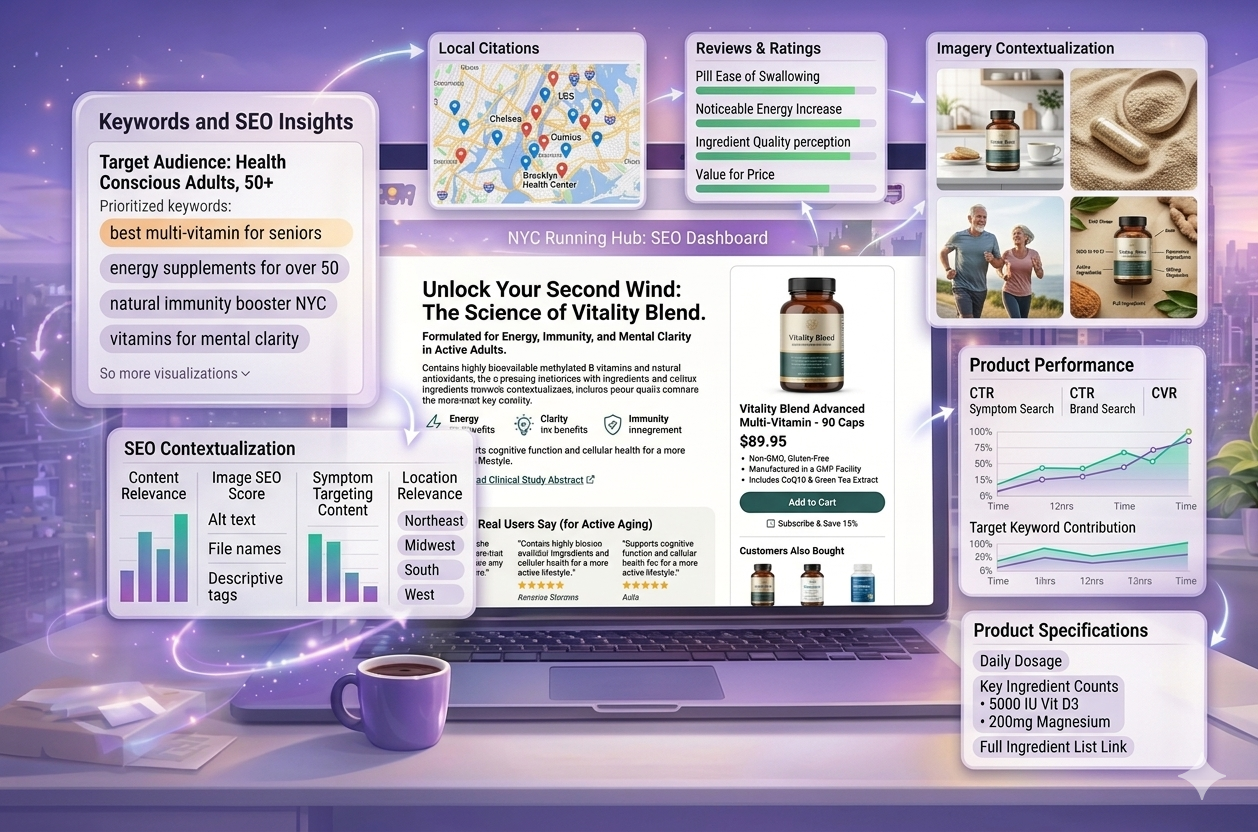



Complete Guide to How To Improve Organic Search Traffic
In the increasingly competitive world of ecommerce, driving organic traffic to your online store is essential for sustainable growth and increased revenue. Leveraging advanced SEO techniques and strategies tailored to the ecommerce landscape can be a game-changer for your brand. This comprehensive guide is designed to help ecommerce brands using BigCommerce improve their organic search traffic, attract qualified leads, and ultimately boost sales through a strategic and targeted approach to SEO. From conducting a thorough SEO audit to implementing local SEO tactics and creating compelling content, this article covers a range of essential strategies to enhance your brand’s online visibility and drive organic growth.
ECommerce SEO
Enhancing the SEO performance of your ecommerce website is crucial for increasing organic search traffic and competing effectively in the online marketplace. Here’s how you can optimize your ecommerce site for improved search visibility:
– Implementing technical SEO best practices specific to ecommerce platforms like BigCommerce
– Optimizing product pages with relevant keywords and compelling meta descriptions
– Improving site speed and mobile responsiveness to enhance user experience and search engine rankings
– Leveraging structured data markup to enhance product listings in search results
– Utilizing schema markup to highlight product details and increase visibility in search results
– Implementing effective internal linking strategies to improve site architecture and enhance SEO performance
SEO Audit
Conducting a comprehensive SEO audit is the first step in identifying areas for improvement and developing a tailored strategy to enhance organic search traffic. Key components of an ecommerce SEO audit include:
– Evaluating site structure, navigation, and internal linking for optimal crawlability and indexation
– Analyzing on-page elements such as title tags, meta descriptions, and headers for relevance and keyword optimization
– Assessing site speed and performance to ensure fast loading times and a seamless user experience
– Reviewing backlink profile and identifying opportunities for link building and off-page optimization
– Conducting keyword research and analysis to identify high-potential keywords for ecommerce product pages
Keyword Research
Effective keyword research is essential for targeting the right search terms and driving relevant organic traffic to your ecommerce website. Here’s how you can conduct keyword research for ecommerce SEO:
– Identifying high-intent keywords related to your products and target audience
– Analyzing competitor keywords and identifying gaps in your keyword strategy
– Utilizing keyword research tools to identify search volumes, competition, and relevance of target keywords
– Prioritizing long-tail keywords and product-specific keywords to capture niche and high-converting traffic
– Incorporating localized keywords to target specific geographic markets and enhance local SEO efforts
Local SEO
For ecommerce brands with physical locations or targeting specific geographic markets, local SEO is a critical component of driving organic traffic and attracting local customers. Here are key strategies for effective local SEO:
– Creating and optimizing Google My Business listings for each physical location
– Leveraging local citations and directory listings to build authority and visibility in local search results
– Implementing location-specific keywords and content to target local search queries
– Encouraging customer reviews and testimonials to enhance local credibility and trust
– Utilizing geotargeting and location-based advertising to reach local audiences effectively
Organic Growth
Sustainable organic growth is the result of a well-rounded SEO strategy that encompasses technical optimization, content creation, and audience targeting. Here’s how you can foster organic growth for your ecommerce brand:
– Developing a content strategy that aligns with user intent and search relevance
– Creating high-quality, informative, and engaging content to attract and retain organic traffic
– Leveraging audience insights and market trends to inform content creation and optimization
– Utilizing AI-powered SEO tools and platforms to automate and enhance organic growth strategies
– Measuring and analyzing organic search performance to continually optimize and refine your SEO efforts
Contextual Placement
Effective contextual placement of keywords and content is essential for maximizing organic search visibility and driving targeted traffic to your ecommerce website. Key considerations for contextual placement include:
– Ensuring seamless integration of keyword-optimized content within product descriptions and category pages
– Creating informative and relevant content that addresses user queries and search intent
– Optimizing content for featured snippets, rich snippets, and other search result enhancements
– Leveraging AI-powered content optimization tools to identify contextual opportunities and trends
– Implementing structured data markup to enhance the context and relevance of product information
Content Creation
Compelling and relevant content is the cornerstone of successful ecommerce SEO and organic search traffic growth. Here’s how you can create impactful content for your ecommerce brand:
– Developing a content calendar aligned with seasonal trends, product launches, and industry events
– Incorporating multimedia elements such as videos, infographics, and interactive content to enhance user engagement
– Optimizing content for relevant keywords, user intent, and semantic search relevance
– Implementing user-generated content strategies to foster community engagement and organic sharing
– Utilizing AI-powered content generation tools to streamline and enhance content creation efforts
Citations
Building citations and maintaining consistent business information across online directories and platforms is crucial for local SEO and organic search visibility. Key considerations for citations include:
– Ensuring accurate and consistent P (Name, Address, Phone Number) information across all online platforms
– Claiming and optimizing local business listings on platforms such as Yelp, Yellow Pages, and industry-specific directories
– Leveraging customer reviews and testimonials to enhance local credibility and authority
– Monitoring and managing online mentions and citations to maintain a positive brand reputation
Brand Reputation
A strong and positive brand reputation is a valuable asset for driving organic search traffic and fostering customer trust. Here’s how you can build and maintain a reputable brand image:
– Encouraging and managing customer reviews and testimonials to showcase positive experiences and feedback
– Monitoring and addressing customer feedback and inquiries across social media and review platforms
– Engaging in community outreach and partnerships to enhance brand visibility and credibility
– Leveraging PR and influencer collaborations to amplify brand messaging and reach new audiences
– Utilizing AI-powered sentiment analysis tools to monitor brand sentiment and address potential reputation issues proactively
Improving organic search traffic for your ecommerce brand on BigCommerce requires a strategic and comprehensive approach to SEO that encompasses technical optimization, content creation, local targeting, and brand reputation management. By implementing these advanced strategies and leveraging AI-powered tools and insights, ecommerce brands can enhance their online visibility, attract qualified traffic, and drive sustainable organic growth.