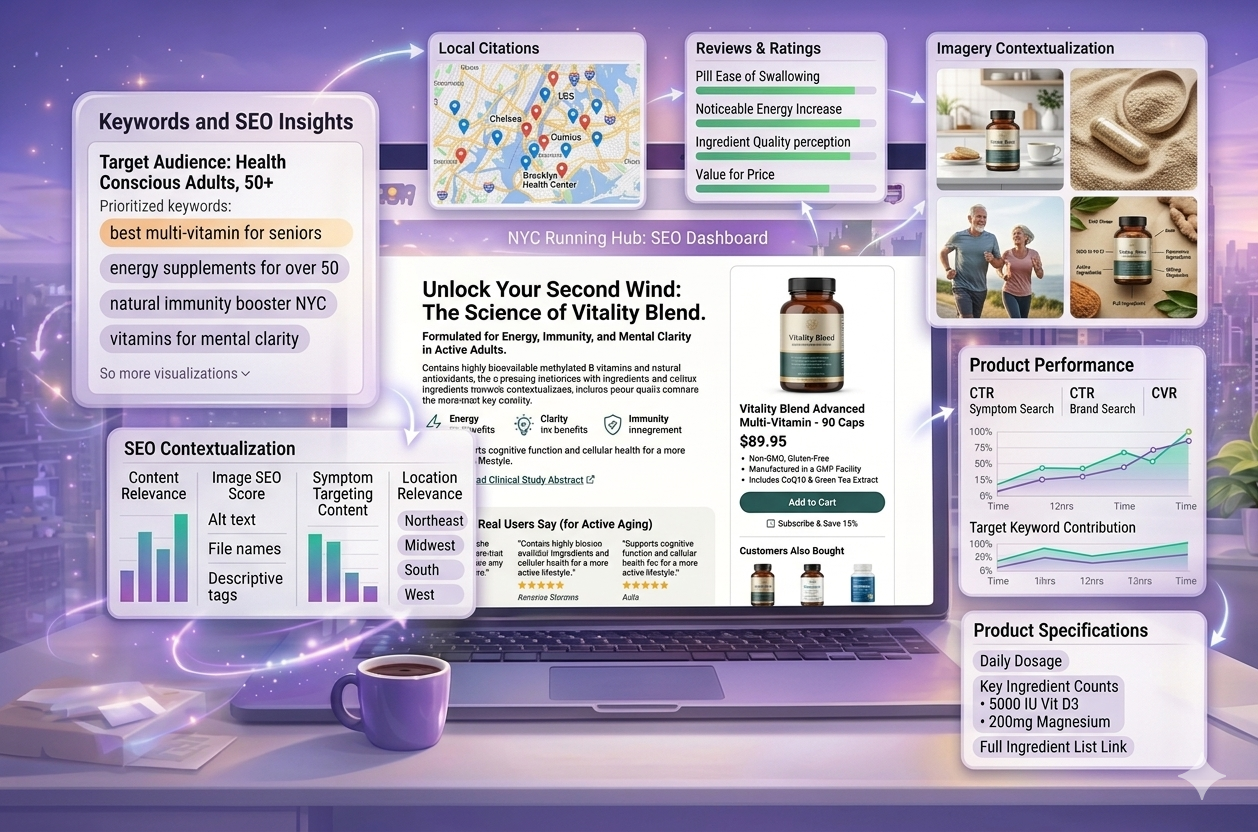



Complete Guide to How To Select Keywords
Are you looking to supercharge your WooCommerce ecommerce sales? Understanding how to select the right keywords is crucial for driving targeted traffic to your online store and increasing your revenue. In this comprehensive guide, we will delve into the essential strategies for selecting keywords to optimize your ecommerce website using WooCommerce. From ecommerce SEO and local SEO to organic growth and brand reputation, we will cover all the critical aspects to help you drive more qualified traffic and conversions to your online store.
E-Commerce SEO
Ecommerce SEO is the foundation for driving organic traffic to your online store. With the right keywords, you can improve your website’s visibility in search engine results, attract more potential customers, and ultimately increase your sales. Here’s how to optimize your ecommerce store for SEO:
– Conduct a thorough SEO audit of your WooCommerce website to identify keyword opportunities and areas for improvement.
– Optimize your product pages, category pages, and blog content with relevant keywords to improve your search engine rankings.
– Implement structured data markup to enhance your ecommerce website’s visibility in search results and drive more qualified traffic.
SEO Audit
Performing a comprehensive SEO audit is crucial for identifying areas where your ecommerce website can be optimized for better search engine performance. Here are the key steps to conduct an effective SEO audit:
– Analyze your website’s technical SEO elements, including site speed, mobile-friendliness, and URL structure.
– Review your website’s on-page SEO elements such as meta tags, headings, and internal linking structure to ensure they are optimized for relevant keywords.
– Use SEO audit tools to identify and fix any technical issues that may be hindering your website’s search engine performance.
Keyword Research
Keyword research is the cornerstone of any successful SEO strategy. Here’s how to conduct keyword research specifically tailored to ecommerce websites using WooCommerce:
– Use keyword research tools to identify relevant, high-search volume keywords related to your products and industry.
– Focus on long-tail keywords that are specific to your products and have lower competition, making it easier to rank for those keywords.
– Consider user intent when selecting keywords to ensure that they align with the search queries potential customers are using.
Local SEO
For ecommerce brands with physical locations or targeting specific geographical areas, local SEO is essential for driving targeted traffic to your online store. Here’s how to optimize your ecommerce website for local SEO:
– Claim your Google My Business listing and ensure that all information is accurate and up to date.
– Optimize your website’s content and meta tags for local keywords, including city and region-specific terms.
– Encourage customer reviews and testimonials to enhance your local SEO and build trust with potential customers in your target areas.
Organic Growth
Organic growth is a sustainable way to drive traffic and sales to your ecommerce store without relying solely on paid advertising. Here are some key strategies for achieving organic growth through keyword optimization:
– Create high-quality, valuable content that incorporates relevant keywords to attract and engage your target audience.
– Leverage social media and email marketing to promote your content and attract organic traffic to your website.
– Continuously monitor and analyze your website’s performance to identify new keyword opportunities for driving organic growth.
Contextual Placement
Contextual placement of keywords within your website’s content is essential for improving its relevance and visibility in search engine results. Here’s how to effectively place keywords within your content:
– Integrate keywords naturally within your product descriptions, blog posts, and other website content to enhance their relevance.
– Use keywords strategically in headings, subheadings, and image alt text to signal their importance to search engines.
– Avoid keyword stuffing and prioritize providing valuable, user-focused content that naturally incorporates relevant keywords.
Content Creation
Creating compelling and informative content is essential for attracting and engaging your target audience. Here’s how to develop content that resonates with your audience while incorporating strategic keyword placement:
– Research your target audience’s interests, pain points, and search behavior to develop content ideas that align with their needs and preferences.
– Incorporate relevant keywords naturally within your content to improve its search engine visibility while providing value to your audience.
– Regularly update and expand your content to keep it fresh and relevant, signaling to search engines that your website is a valuable resource for users.
Citations
Citations are references to your business’s name, address, and phone number (P) on external websites, directories, and social platforms. Here’s how citations can benefit your ecommerce website’s SEO:
– Ensure that your business information is consistent across all citations to build trust and authority with search engines.
– Seek out relevant and reputable citation opportunities within your industry or local area to improve your website’s local search visibility.
– Monitor and manage your citations to address any inaccuracies or inconsistencies that may impact your website’s SEO performance.
Brand Reputation
Your brand’s reputation plays a crucial role in building trust with potential customers and influencing your website’s search engine performance. Here’s how to manage and enhance your brand reputation using strategic keyword placement:
– Monitor and respond to customer reviews, feedback, and mentions to maintain a positive brand image and address any issues promptly.
– Create valuable, authoritative content that positions your brand as a trusted resource within your industry, incorporating relevant keywords to enhance its visibility.
– Engage with your audience on social media and other platforms to foster positive relationships and build a strong brand reputation.
Mastering the art of keyword selection is essential for driving targeted traffic and boosting sales for your ecommerce store using WooCommerce. By implementing the strategies outlined in this guide, you can optimize your website for search engines, attract qualified traffic, and ultimately increase your revenue through organic growth.